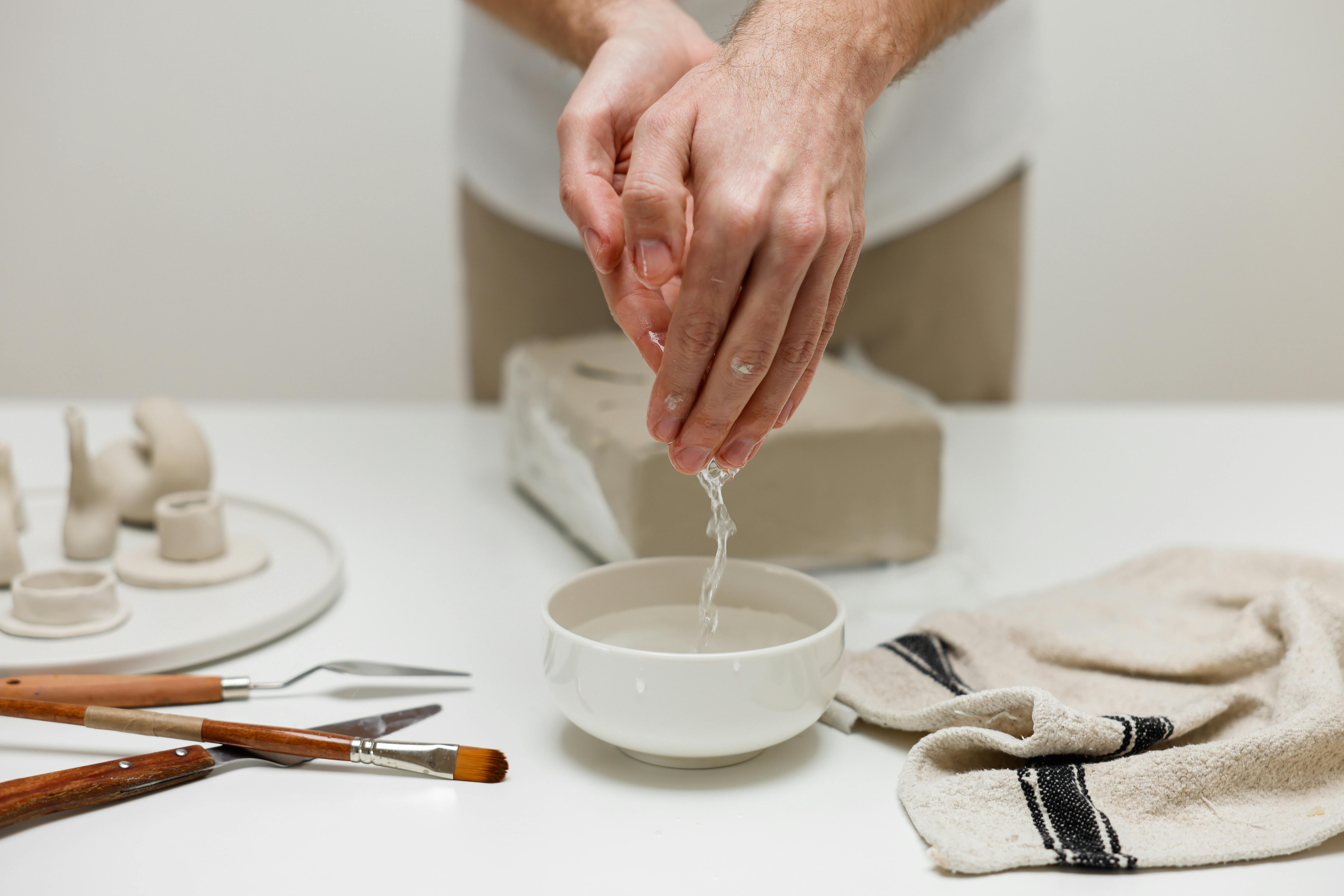
Makers, Not Manufacturers

Our story is written in clay, fired in kilns, and shaped by the hands of artisans who chose craft over convenience.

The Workshop Collective

We are not a single studio but a network of independent ceramic artists operating across British Columbia, Ontario, and Quebec. What unites us is a shared philosophy: that objects made with intention carry meaning beyond their function.

Each workshop maintains its own character and specialization. Some focus on architectural installations, others on intimate tableware. All prioritize quality of execution and integrity of materials.

This decentralized approach allows us to take on diverse projects while maintaining the intimacy of small-scale production.

Ceramic workshop interior with shelves of pottery

What Guides Our Work

Material Honesty

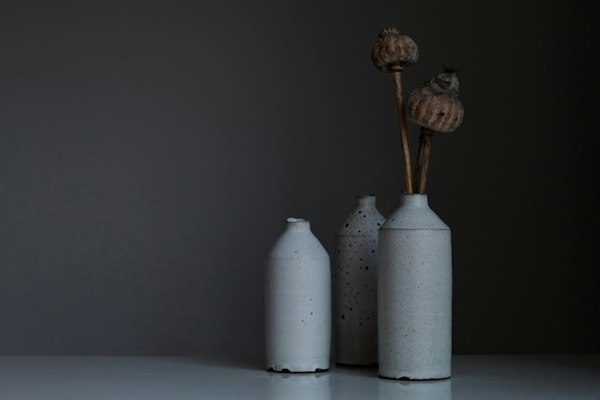
We use locally sourced clays when possible, and we never disguise the nature of our materials. Clay looks like clay. Glaze patterns reflect their chemical origins.

Time Investment

A single piece may take weeks from initial concept to final firing. We do not apologize for slow creation—it is the point.

Functional Beauty

Aesthetic appeal matters, but not at the expense of usability. Our pieces are designed to be used daily, not relegated to display shelves.

Artisan Autonomy

Each maker retains creative control over their work. We coordinate commissions but never homogenize style.

Meet Some of Our Artisans

Artisan working with clay at pottery wheel

Elena Martinez

Vancouver Workshop

Specializes in large-scale sculptural vessels and architectural elements. Trained in traditional Japanese methods before developing her signature matte glazes.

Thomas Rousseau

Montreal Studio

Focuses on functional tableware with subtle textural variations. His work explores the intersection of French rustic traditions and modernist simplicity.

Close-up of hands shaping ceramic bowl
Artisan examining finished ceramic piece

Sarah Chen

Toronto Collective

Her specialty is custom dinnerware for restaurants and hospitality spaces. Each commission involves months of prototyping and collaboration with chefs.

Why This Matters

Industrial production gave us affordability and consistency. It also gave us sameness and disposability. We are not suggesting everyone abandon mass-manufactured goods—that would be impractical.

But we do believe there is value in owning a few objects that were made specifically for you, by someone who knows your name. Objects that improve with age rather than degrade. Objects that tell a story every time you use them.

This is not nostalgia for a pre-industrial past. It is a deliberate choice about how we want to engage with the things that fill our homes and shape our daily rituals.